
BHAGAVAT SRI RAMANUJACHARYA-THE ARCHITECT OF RITUAL PROTOCOLS OF TIRUMALA SHRINE _ నాలుగు మాడ వీధుల రూపకర్త శ్రీ రామానుజాచార్యులు
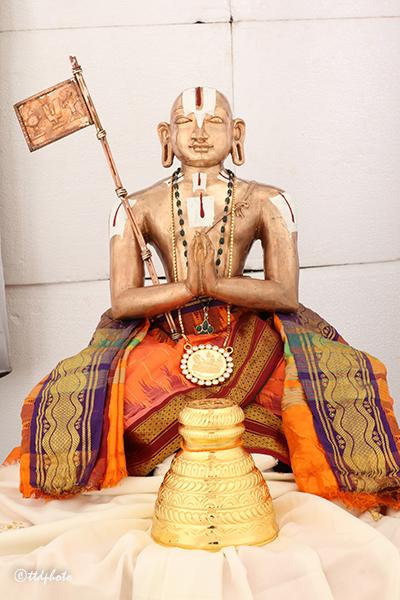
TIRUMALA, 02 OCTOBER 2026: The great Srivaishnava Saint and Scholar, Bhagavati Sri Ramanujacharya is often considered as the the Architect of various rituals in Tirumala temple, Sacred Streets surrounding the hill shrine.
A peep into how Sri Ramanujacharya shaped a Thousand-Year Legacy of Tirumala temple:
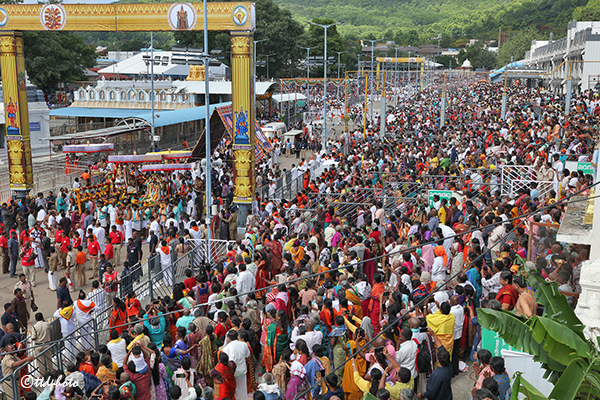
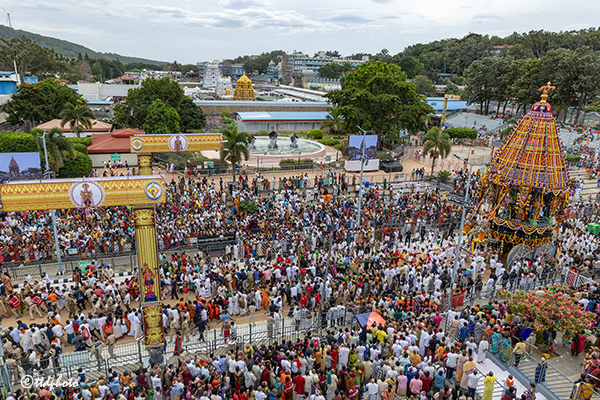
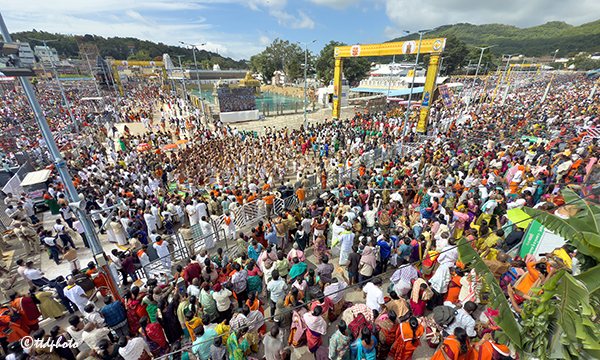
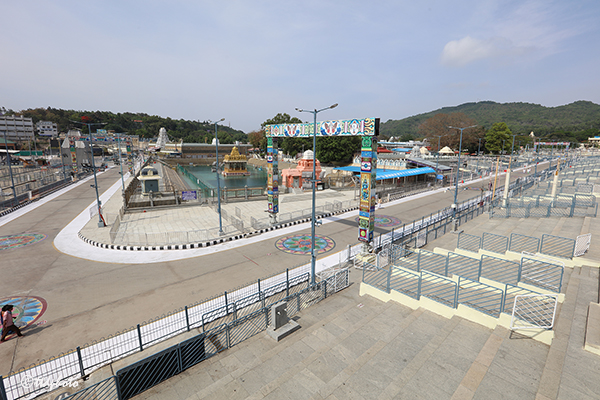
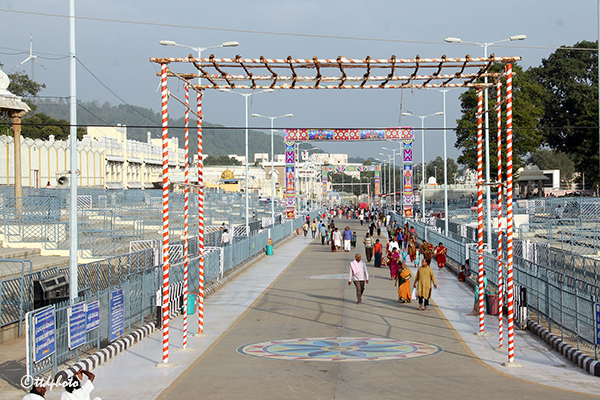
Around the holy shrine of Tirumala, four concentric streets—known as the Mada Veedhis—form both a physical and spiritual framework. These streets are not mere pathways; they are living testimony to the vision of Bhagavad Ramanujacharya, the 11th-century saint-philosopher who laid the foundation for the Tirumala temple rituals, religious administrative system, festival culture, and devotional practices that continue unchanged even today as per the tenets of Vaikhanasa Agama Shastra.
A Vision for Brahmotsavam in Tirumala:
Historical accounts reveal that the annual Brahmotsavam of Lord Venkateswara was once conducted over eight days in Tiruchanur, not in Tirumala. Ramanujacharya reimagined this tradition by conceptualizing the four Maada Veedhis around the Tirumala shrine, enabling the grand festival to be celebrated within the holy hills themselves.
The procession of the Utsava Murthy (processional deity) through these streets, granting darshan to devotees along the way, gradually became the centerpiece of Tirumala Brahmotsavam. Even now, the vahana sevas, grand processions, and special rituals during the festival unfold along these very streets.
The Jeeyar System: Guardians of Ritual Order:
One of Ramanujacharya’s most enduring institutional contributions was the establishment of the Jeeyar system. Entrusting the oversight of temple rituals and customs to Jeeyars (spiritual preceptors), he ensured that the Vaikhanasa Agama traditions were preserved with precision. Under his guidance, the Venkatanatha Shathagopa Yati Mutt, also known as the Jeeyar Mutt, was established in Tirumala.
Rituals, Hymns, and Royal Honors:
Ramanujacharya introduced several devotional practices that remain central to Tirumala worship.
Recitation of over 250 pasurams (hymns) from the Alwars’ Divya Prabandham dedicated to Sri Venkateswara, with appointed Acharya Purushas to lead the chanting.
The tradition of welcoming heads of other mutts, Jeeyars, or sannyasis with Purna Kumbha Swagatham, offering theertham, prasadam, and Shesha Vastram.
Institution of festivals such as Goda Kalyanam, Tanneerimudu Utsavam and Bhag Savari Utsavam.
The Legacy of Annaprasadam:
Ramanujacharya placed great emphasis on providing Annaprasadam (sacred food) to the thousands of devotees visiting Tirumala. He mandated that offerings to Srivaru be prepared within the temple kitchen itself, following Sri Vaishnava culinary traditions.
Dishes such as Gudannam, Chitrannam, Payasam, Atirasam, Appam, and Dosa were introduced as naivedyams, blending devotion with nourishment.
Installing Divine Forms:
Ramanujacharya’s influence extended beyond rituals to the installation of several deities within the Tirumala complex.
Sita Devi: Noting the absence of a Sita Devi archa murthy, he crafted a Panchaloha (five-metal) idol of Sita Devi and installed it, later conducting the Sita Rama Kalyanam.
Yoga Narasimha Swamy: Identifying a small Narasimha idol near Swami Pushkarini, he commissioned a mandapam, establishing what is now one of Tirumala’s prominent sub-temples.
Bhudevi at Poola Bavi: Inspired by an episode from the Varaha Purana, he installed the Bhudevi archa murthy at Poola Bavi, commemorating an incident where King Tondaman inadvertently interrupted the Lord’s private moment with Sridevi and Bhudevi.
A Living Legacy:
Though centuries have passed and administrative systems have evolved, the core Agama traditions, kainkaryas (services), and ritual frameworks established by Ramanujacharya continue to thrive across the Tirumala, Tirupati, and Tiruchanur temples.
Naming the Sacred Streets: A Spiritual Map
In a recent initiative to honor divine servants, celestial beings, and legendary figures associated with Tirumala and Sri Venkateswara, the Tirumala Tirupati Devasthanams renamed the four Mada Veedhis after the four Vedas:
East Maada Veedhi → Rigveda Margam
South Maada Veedhi → Yajurveda Margam
West Maada Veedhi → Samaveda Margam
North Maada Veedhi → Atharvana Veda Margam
Additionally, the courtyard facing the main temple has been named Sri Ramanujacharya Pranganam, commemorating his unparalleled contributions to the temple’s structure and spirituality.
నాలుగు మాడ వీధుల రూపకర్త శ్రీ రామానుజాచార్యులు
తిరుమల ఆలయ కైంకర్య వ్యవస్థకు పునాది తో మహోన్నత సేవ
నేటికీ కొనసాగుతున్న వెయ్యేళ్ల సంప్రదాయాలు
తిరుమల, 2026 సెప్టెంబర్ 30: తిరుమల శ్రీవారి ఆలయం చుట్టూ నాలుగు మాడ వీధుల ఏర్పాటు చేసి, శ్రీవారి బ్రహ్మోత్సవాలను తిరుమలలోనే వైభవంగా నిర్వహించే విధానానికి బాటలు వేసిన మహనీయుల్లో భగవద్ రామానుజాచార్యులు ప్రముఖులు. సుమారు వెయ్యి సంవత్సరాల క్రితం ఆయన క్రమబద్ధీకరించిన అనేక కైంకర్యాలు, ఆగమ సంప్రదాయాలు, ఉత్సవ విధానాలు నేటికీ తిరుమల శ్రీవారి ఆలయ వ్యవస్థలో కొనసాగుతున్నాయి.
బ్రహ్మోత్సవాలకు నాలుగు మాడ వీధులు
తిరుమల ఆలయం చుట్టూ నాలుగు మాడ వీధుల ఏర్పాటులో రామానుజాచార్యుల పాత్ర విశిష్టమైనదిగా ఆలయ చరిత్ర తెలియజేస్తోంది. గతంలో శ్రీ వేంకటేశ్వరస్వామివారి వార్షిక బ్రహ్మోత్సవాలు ఎనిమిది రోజులపాటు తిరుచానూరులో నిర్వహించేవారని సంప్రదాయ కథనాలు చెబుతున్నాయి. నాలుగు మాడ వీధుల ఏర్పాటు అనంతరం బ్రహ్మోత్సవాలను తిరుమలలోనే నిర్వహించే విధానం ఏర్పడింది.
శ్రీవారి ఉత్సవమూర్తి మాడ వీధుల్లో భక్తులకు దర్శనమిస్తూ ఊరేగే సంప్రదాయం క్రమంగా తిరుమల బ్రహ్మోత్సవాల్లో ప్రధాన ఆకర్షణగా మారింది. నేడు వాహన సేవలు, ఊరేగింపులు, భక్తుల దర్శనం వంటి అనేక కార్యక్రమాలకు ఈ నాలుగు మాడ వీధులే ప్రధాన వేదికగా నిలుస్తున్నాయి.
మాడ వీధులకు ఆధ్యాత్మాక నామాలు
ఇటీవలే తిరుమలలో వీధులు, కూడళ్లకు శ్రీవారి సేవలో తరించిన దేవతలు, దైవాంశ సంభూతులు, పురాణ పురుషులు, రాజులు, పండితుల పేర్లను పెట్టాలని టీటీడీ నిర్ణయించింది.
ఇందులో భాగంగా భగవద్ శ్రీ రామానుజాచార్యుల వారి సేవలకు గుర్తుగా శ్రీవారి ఆలయానికి ఎదురుగా ఉన్న ప్రాంగణానికి శ్రీ రామానుజాచార్యుల ప్రాంగణంగా నామకరణం చేయడం జరిగింది.
అదేవిధంగా ఆలయ నాలుగు మాడ వీధులలో తూర్పు మాడ వీధినకి ఋగ్వేద మార్గం, దక్షిణ మాడ వీధికి యజుర్వేద మార్గం, పడమర మాడ వీధికి సామవేద మార్గం, ఉత్తర మాడ వీధికి అథర్వణ వేద మార్గంగా నామకరణం చేయడం జరిగింది.
జీయర్ వ్యవస్థ ఏర్పాటు
వైఖానస ఆగమ శాస్త్ర సంప్రదాయాలకు అనుగుణంగా ఆలయంలో నిర్వహించాల్సిన కైంకర్యాలు, ఆచార వ్యవహారాలను పర్యవేక్షించే బాధ్యతను జీయర్లకు అప్పగించడం ద్వారా రామానుజాచార్యులు కీలకమైన వ్యవస్థకు శ్రీకారం చుట్టారు. ఆయన ఆధ్వర్యంలో వెంకటనాథ శఠగోప యతి లేదా జీయర్ మఠం తిరుమలలో ఏర్పాటైంది.
ఆలయ కైంకర్యాలు, ఆచారాలకు రూపకల్పన
ఆళ్వార్ల దివ్యప్రబంధంలోని శ్రీవేంకటేశ్వరస్వామికి సంబంధించిన 250కు పైగా పాశురాల పారాయణాన్ని ఆలయంలో ప్రవేశపెట్టారు. ఇందుకోసం ఆచార్య పురుషులను నియమించారు.
అలాగే ఇతర మఠాలకు చెందిన పీఠాధిపతులు, జీయర్లు లేదా సన్యాసులు తిరుమల ఆలయానికి విచ్చేసినప్పుడు పూర్ణకుంభ స్వాగతం పలికి, తీర్థం, ప్రసాదం, శేషవస్త్రం సమర్పించే సంప్రదాయాన్ని రామానుజాచార్యులే ప్రవేశపెట్టినట్లు తెలుస్తోంది.
గోదా కల్యాణం, తన్నీరముదు ఉత్సవం, భగ్ సవారి ఉత్సవం వంటి పలు ఉత్సవాలను కూడా ఆయన ప్రవేశపెట్టినట్లు ఆలయ చరిత్ర తెలియజేస్తోంది.
స్వామివారికి అన్నప్రసాదాల నైవేద్యం
తిరుమల శ్రీవారిని దర్శించుకునేందుకు వచ్చే వేలాది మంది భక్తులకు అన్నప్రసాదాలు అందించే విధానానికి కూడా రామానుజాచార్యులు ప్రాధాన్యత ఇచ్చారు. స్వామివారికి సమర్పించే నైవేద్యాలను ఆలయ వంటశాలలోనే సిద్ధం చేయాలని, వాటిని శ్రీవైష్ణవ సంప్రదాయాన్ని అనుసరించే వంటవారితో తయారు చేయించాలని నిర్దేశించారు.
గుడాన్నం, చిత్రాన్నం, పాయసం, అతిరసం, అప్పం, దోశ తదితర నైవేద్యాలను స్వామివారికి సమర్పించే సంప్రదాయాన్ని ఆయన ప్రోత్సహించారు.
వివిధ దేవతామూర్తుల ప్రతిష్ఠ
తిరుమల ఆలయంలో వివిధ దేవతామూర్తుల ప్రతిష్ఠలోనూ రామానుజాచార్యుల సేవలు విశిష్టమైనవి. సీతాదేవి, భూదేవి, శ్రీయోగ నరసింహస్వామి విగ్రహాలను రామానుజాచార్యులవారు స్వయంగా పంచలోహంతో రూపొందించి ప్రతిష్ఠించినట్లు చరిత్ర చెబుతోంది.
తిరుమల ఆలయంలో ఇతర దేవతామూర్తుల అర్చామూర్తులు ఉన్నప్పటికీ సీతాదేవి అర్చామూర్తి లేకపోవడంతో రామానుజాచార్యులు సీతాదేవి పంచలోహ విగ్రహాన్ని రూపొందించి ప్రతిష్ఠించారు. అనంతరం సీతారాముల కల్యాణాన్ని కూడా నిర్వహించారు.
యోగ నరసింహస్వామి ఆలయ ఏర్పాటు
శ్రీవైష్ణవ సంప్రదాయంలో వరాహ, నరసింహ, రామ, కృష్ణ అవతారాలకు ప్రత్యేక స్థానం ఉంది. రామానుజాచార్యుల కాలంలో తిరుమలలో నరసింహస్వామికి ప్రత్యేక ఆలయం లేకపోవడంతో, స్వామి పుష్కరిణి సమీపంలో ఉన్న సుమారు మూడు అడుగుల ఎత్తైన నరసింహస్వామి విగ్రహాన్ని గుర్తించి, ఆయన కోసం మండపాన్ని నిర్మించినట్లు చెబుతారు. ప్రస్తుతం యోగ నరసింహస్వామి సన్నిధి తిరుమల ఆలయంలోని ప్రముఖ ఉపాలయాల్లో ఒకటిగా ఉంది.
భూదేవి పూలబావి అర్చామూర్తి
వరాహ పురాణంలోని ఒక ఘట్టాన్ని స్మరించుకుంటూ, రామానుజాచార్యులు భూదేవి అర్చామూర్తిని పూలబావిలో ప్రతిష్ఠించినట్లు ఆలయ సంప్రదాయం తెలియజేస్తోంది. శ్రీ వేంకటేశ్వరస్వామివారు శ్రీదేవి, భూదేవి సమేతంగా ఏకాంతంలో ఉన్న సమయంలో తొండమాన్ చక్రవర్తి అనుకోకుండా వారి ఏకాంత ప్రదేశంలోకి ప్రవేశించిన సందర్భానికి సంబంధించిన కథనం ఆధారంగా ఈ అర్చామూర్తిని ఏర్పాటు చేసినట్లు చెబుతారు.
శ్రీ రామానుజాచార్యుల అపార భక్తికి ప్రతీక
కాలానుగుణంగా ఆలయ నిర్వహణలో అనేక మార్పులు చోటుచేసుకున్నప్పటికీ, రామానుజాచార్యులు నిర్దేశించిన ప్రధాన ఆగమ సంప్రదాయాలు, కైంకర్యాలు, సేవలు, నియమ నిబంధనలు నేటికీ తిరుమల, తిరుపతి, తిరుచానూరు ఆలయాల్లో కొనసాగుతున్నాయి.
శ్రీవారి ఆలయ వ్యవస్థను క్రమబద్ధీకరించి, కైంకర్యాలకు పటిష్టమైన పునాది వేసిన రామానుజాచార్యుల సేవలు, శ్రీ వేంకటేశ్వరస్వామివారిపై ఆయనకు ఉన్న అపారమైన, అవిచ్ఛిన్నమైన భక్తికి నిదర్శనంగా నిలుస్తున్నాయి.